

Rowena Cade and the Minack Theatre
The extraordinary legacy of Rowena Cade
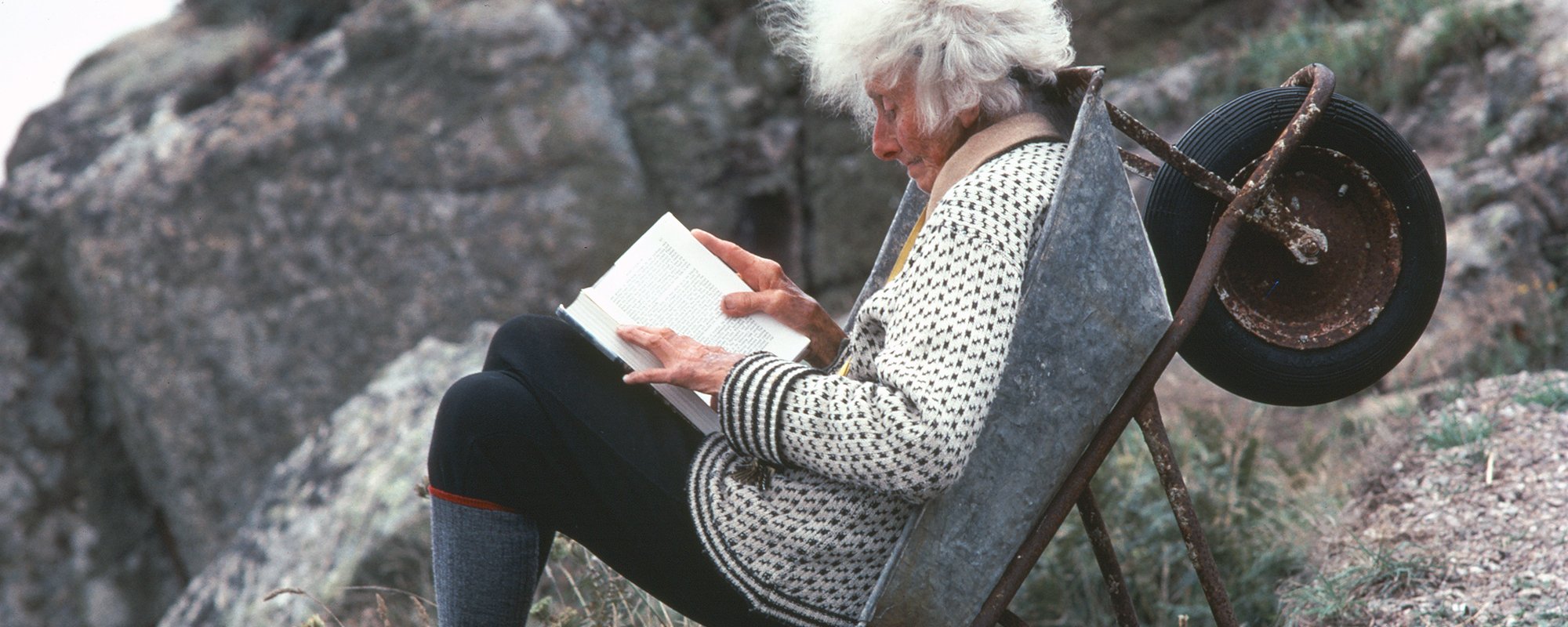
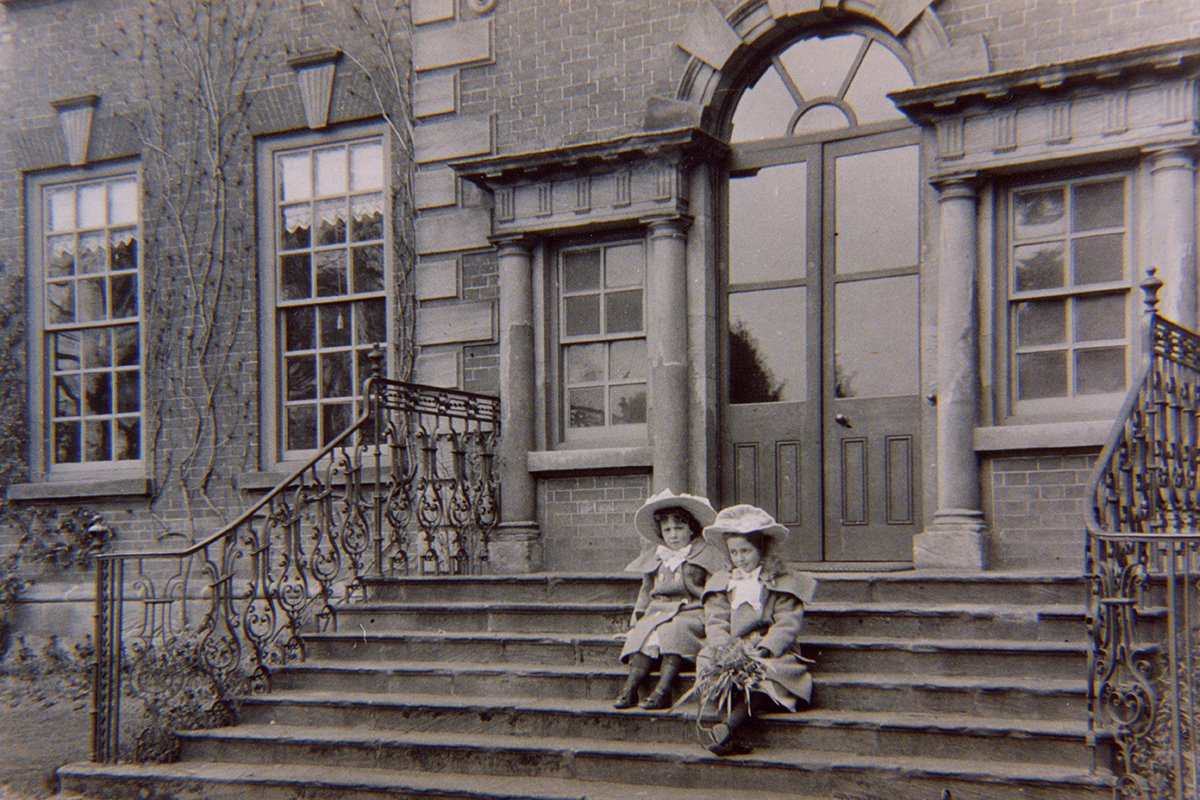
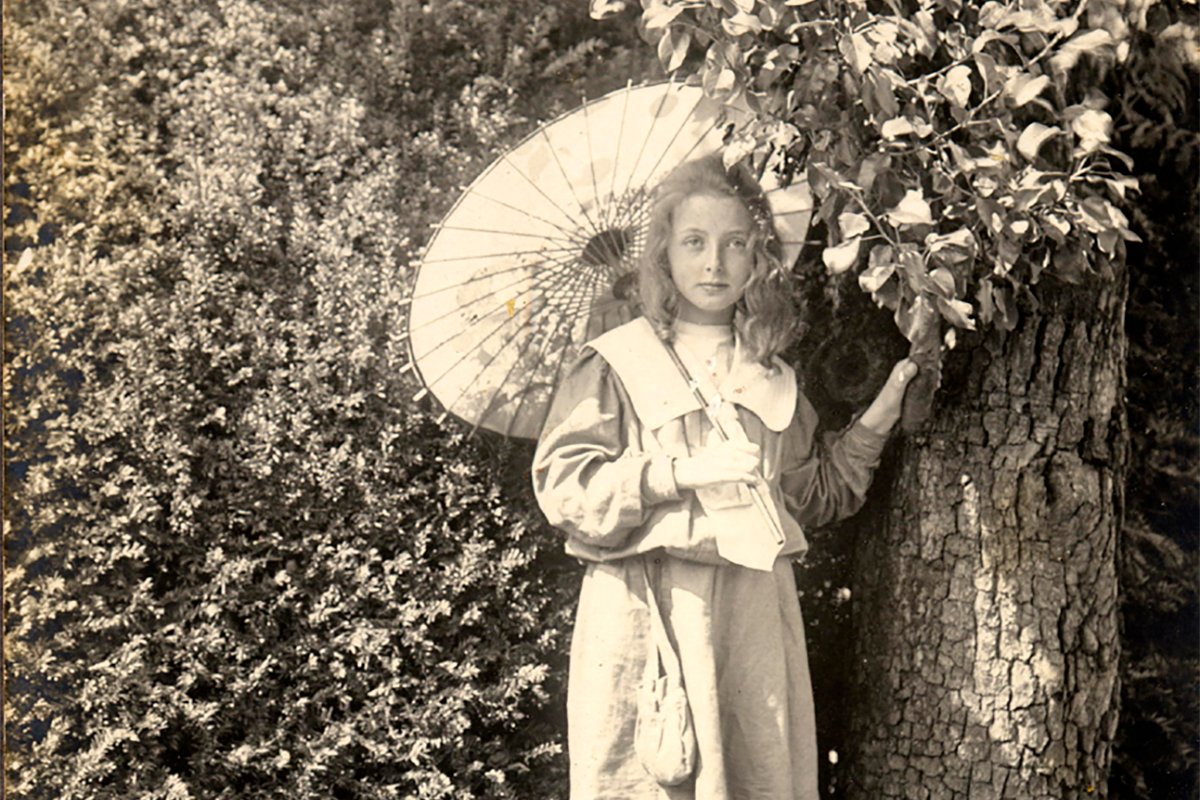
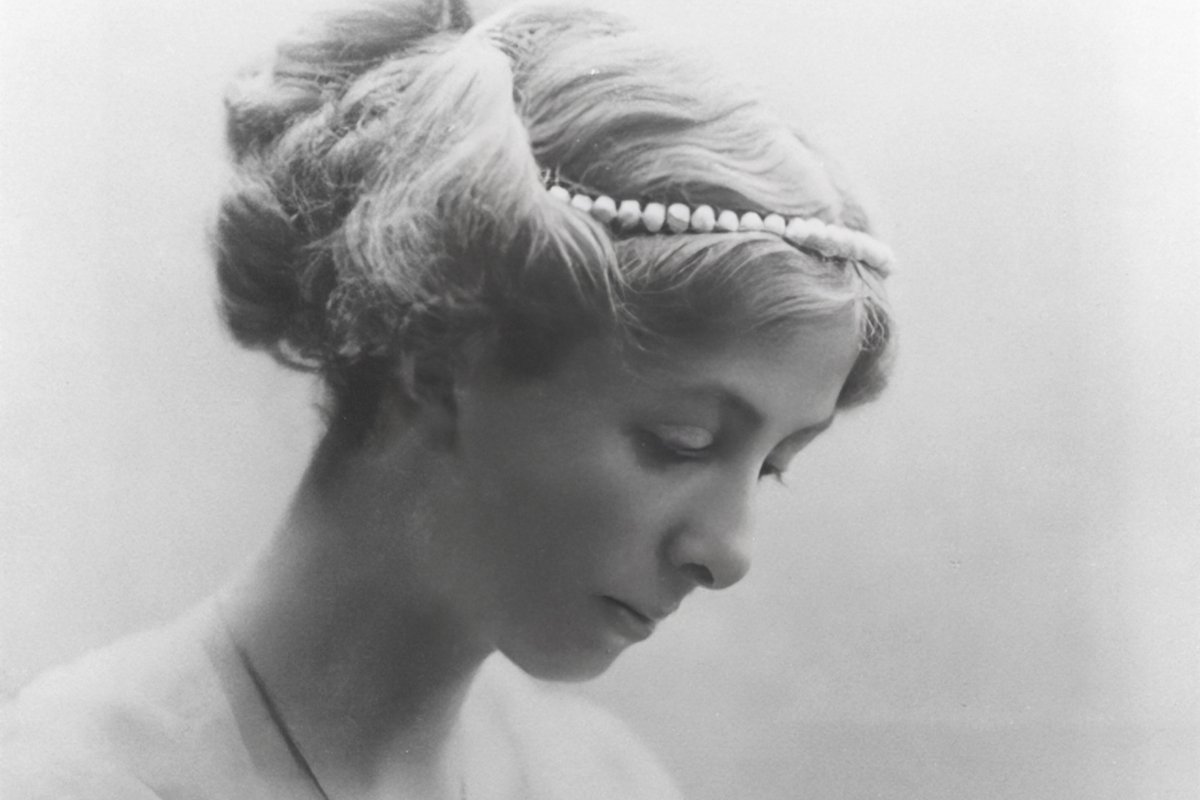
Rowena Cade was born in 1893. The First World War put an end to her genteel life in Cheltenham, and in the early 1920s she moved to Cornwall and bought the Minack headland for £100.
Here she built her home, Minack House, which you’ll see on the cliff-top as you approach the theatre.
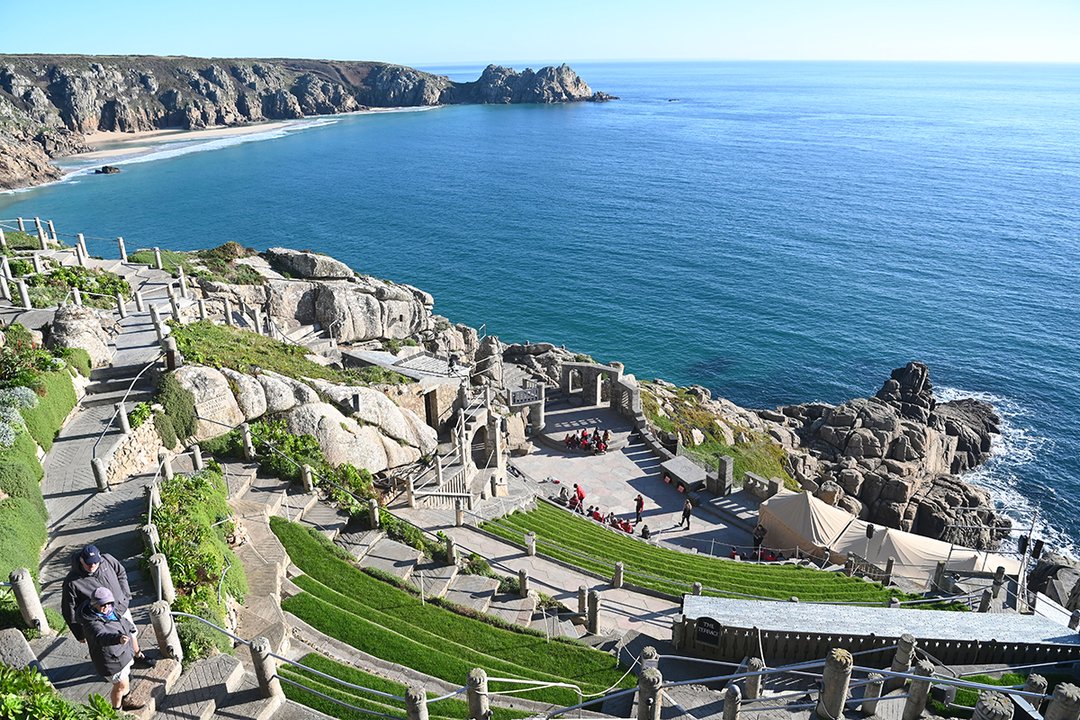
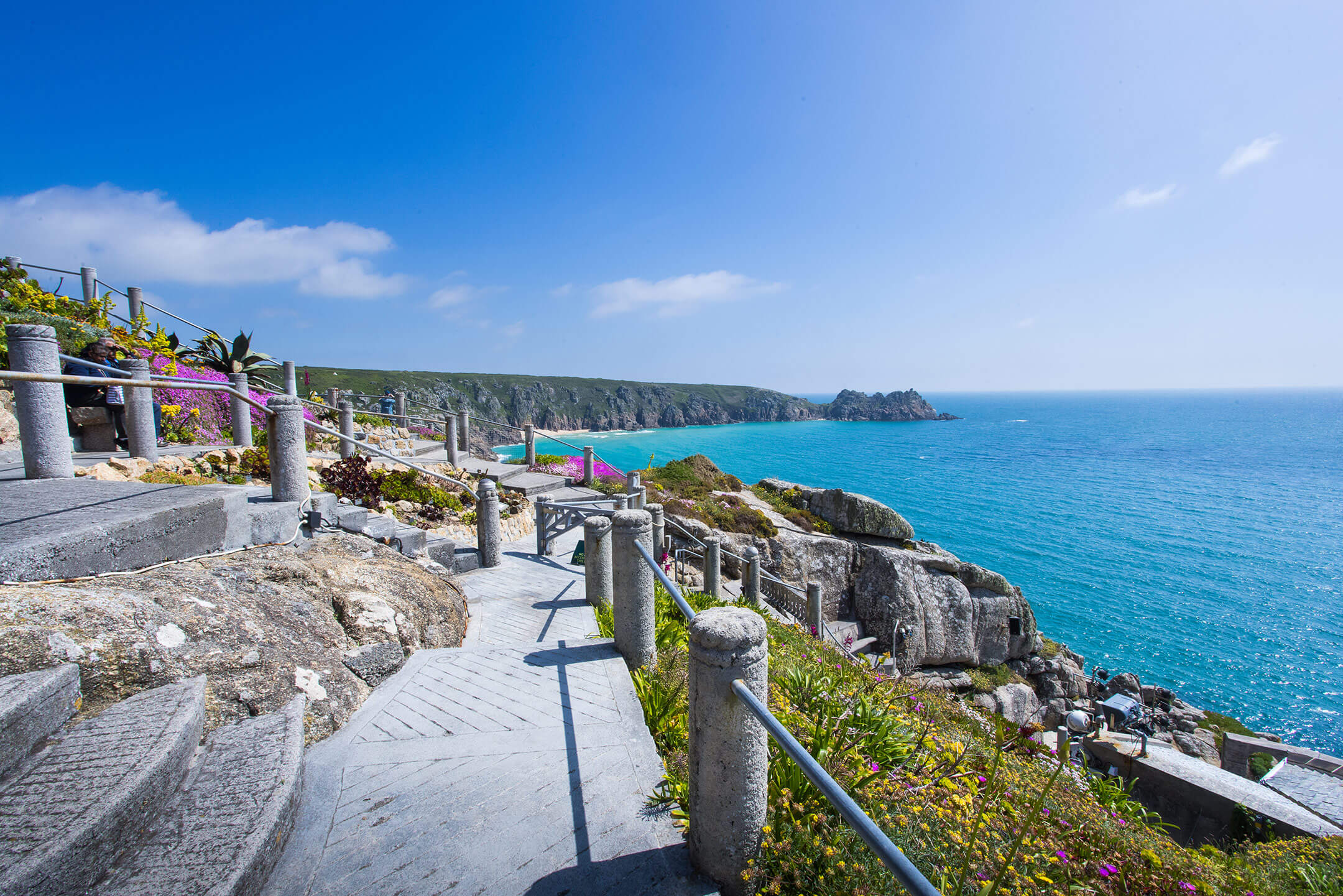
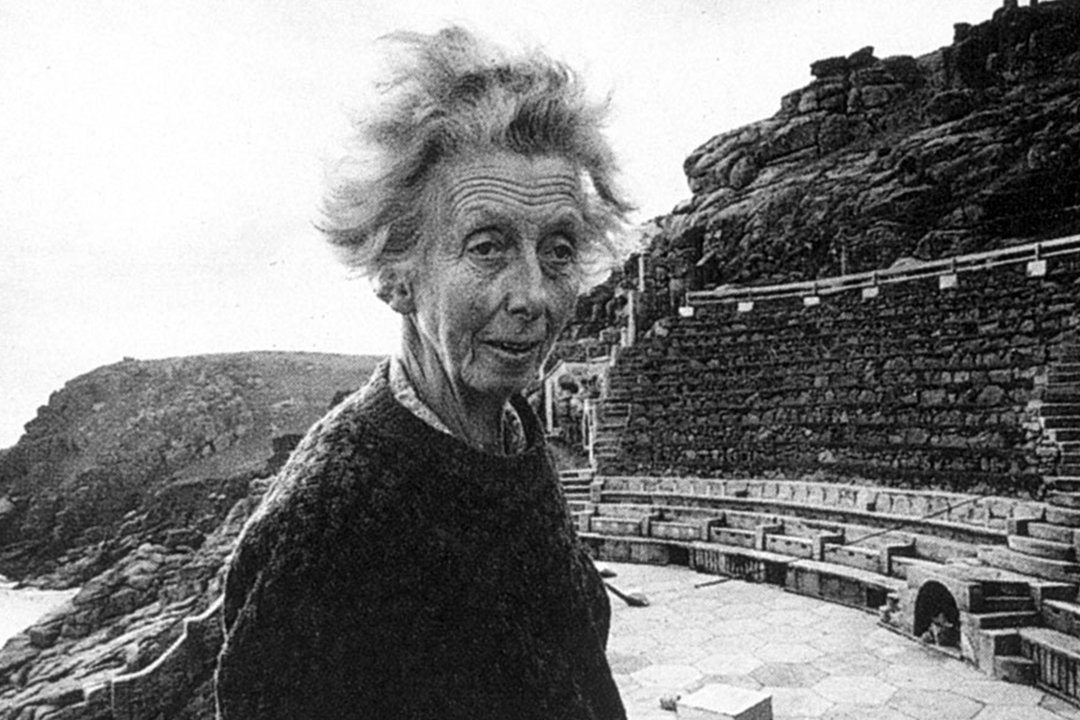
Brought up in a genteel Edwardian family, she was inspired to transform a Cornish cliff-face into an open-air arena, much of it literally built with her own hands.
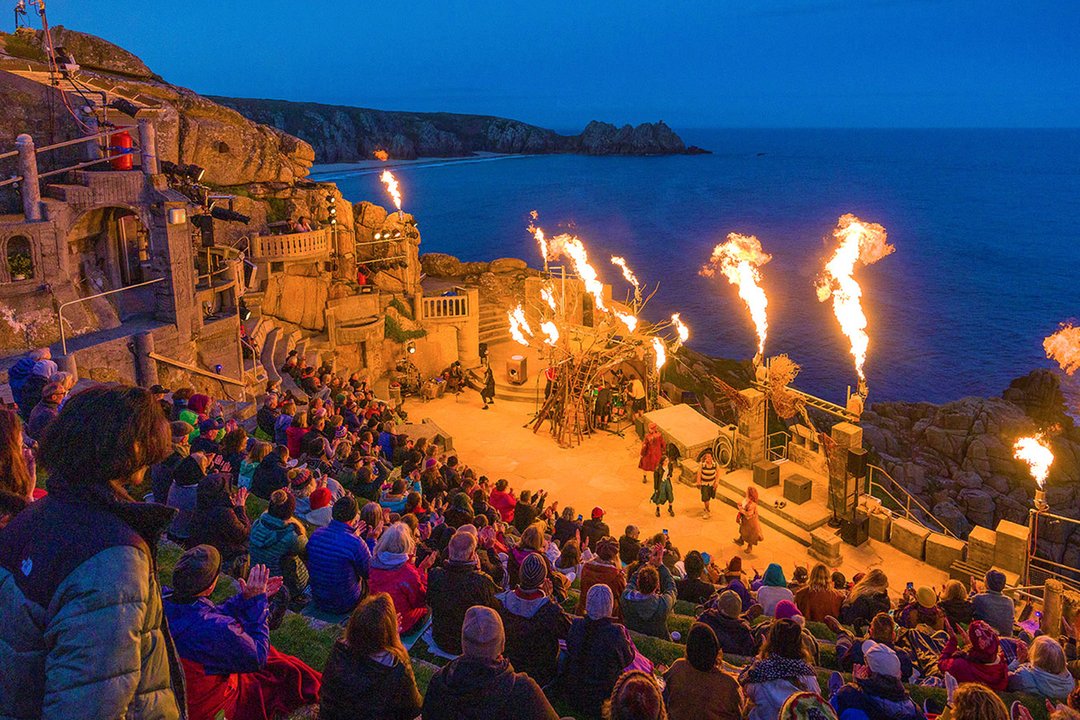
The Minack is a living theatre in every sense. Its dramatic setting and the remarkable woman who built it are equally inspiring.
A Dream and a Tempest
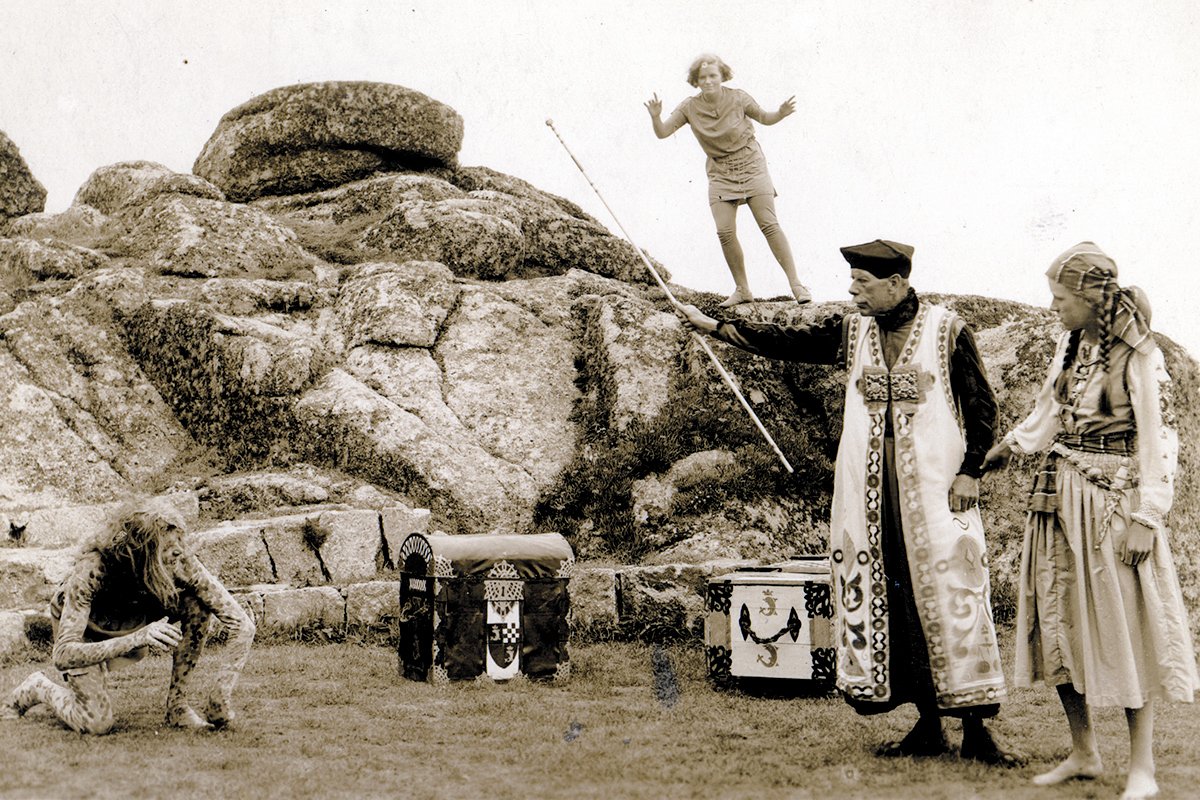
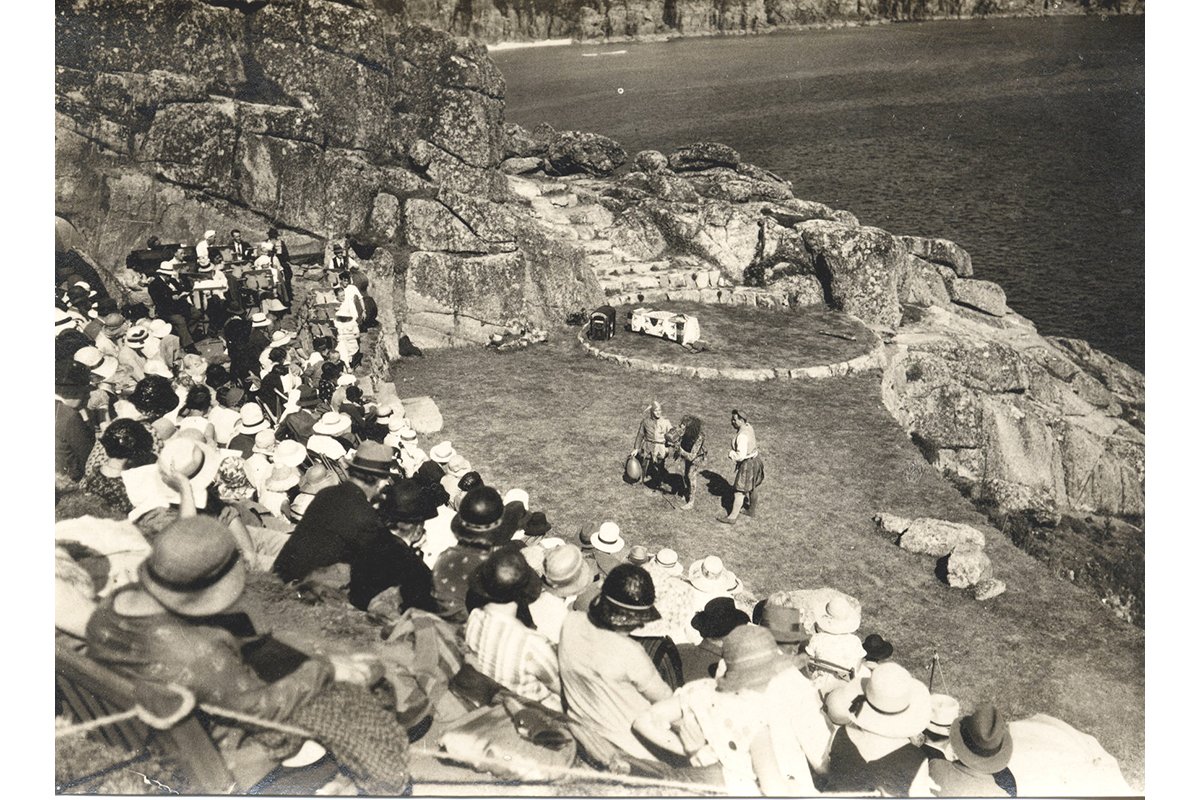
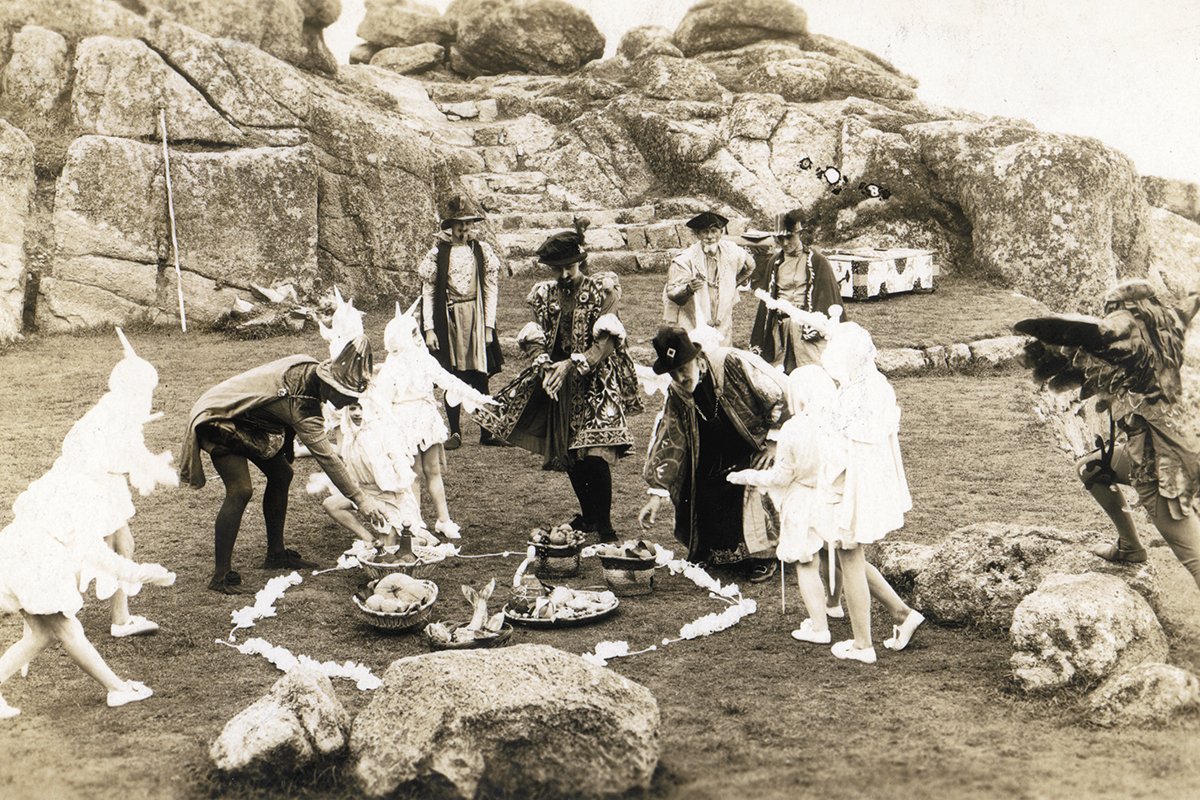
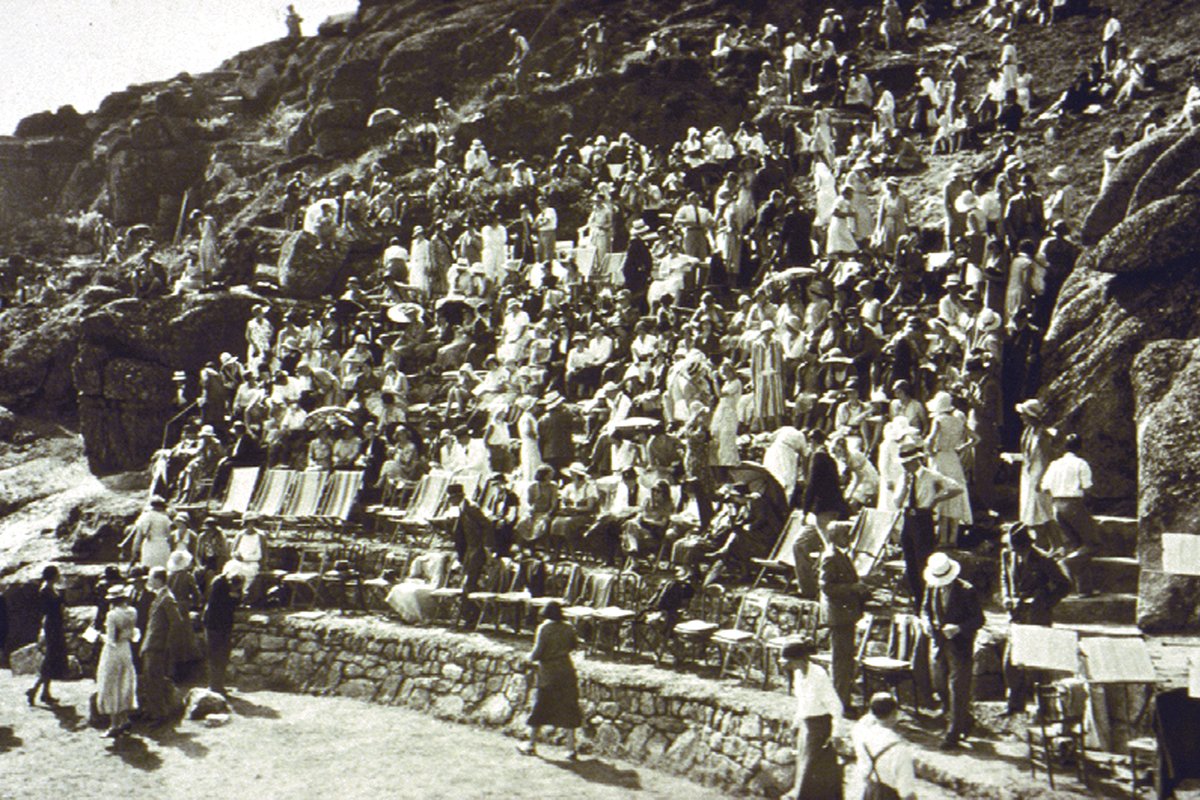
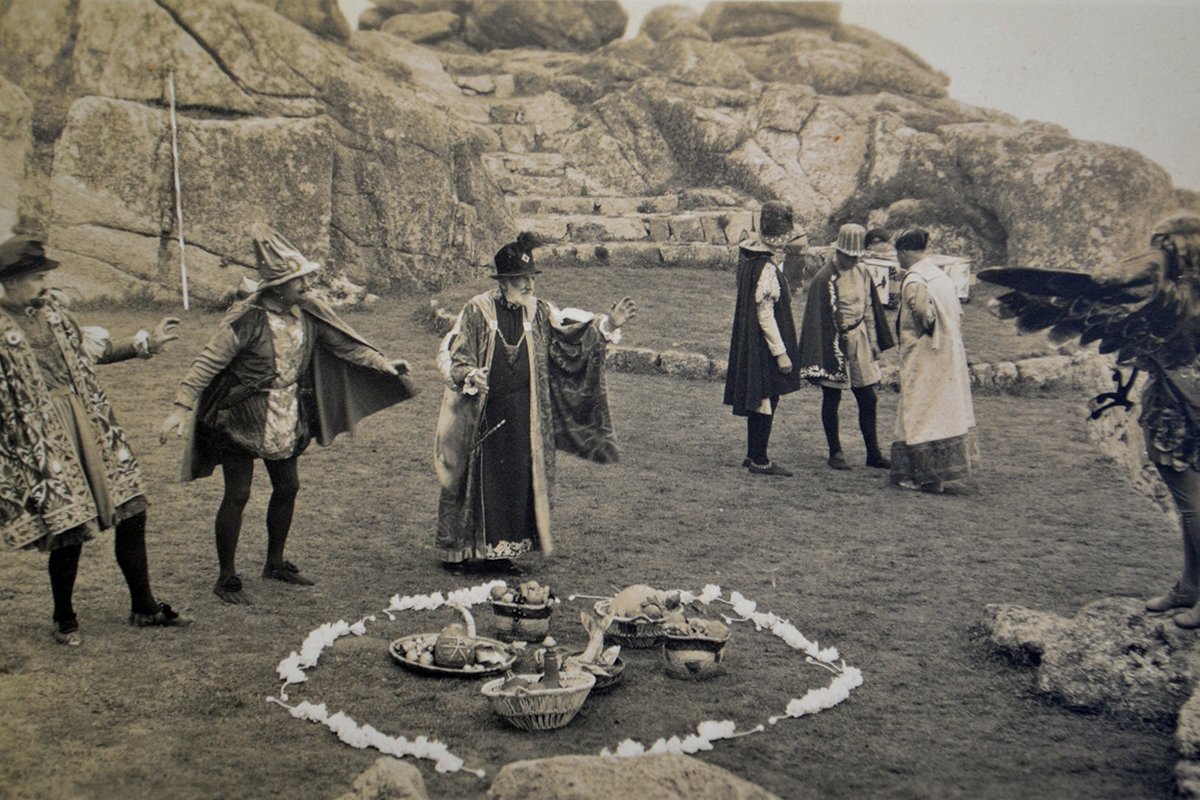
In 1929, Rowena was involved in an open-air production of Shakespeare’s A Midsummer Night’s Dream staged in a local valley. It was such a success that the company decided to follow it up with The Tempest and Rowena offered them the use of her cliff garden for the performance. Now, she had to create a practical acting area and somewhere for the audience to sit.
Built by hand
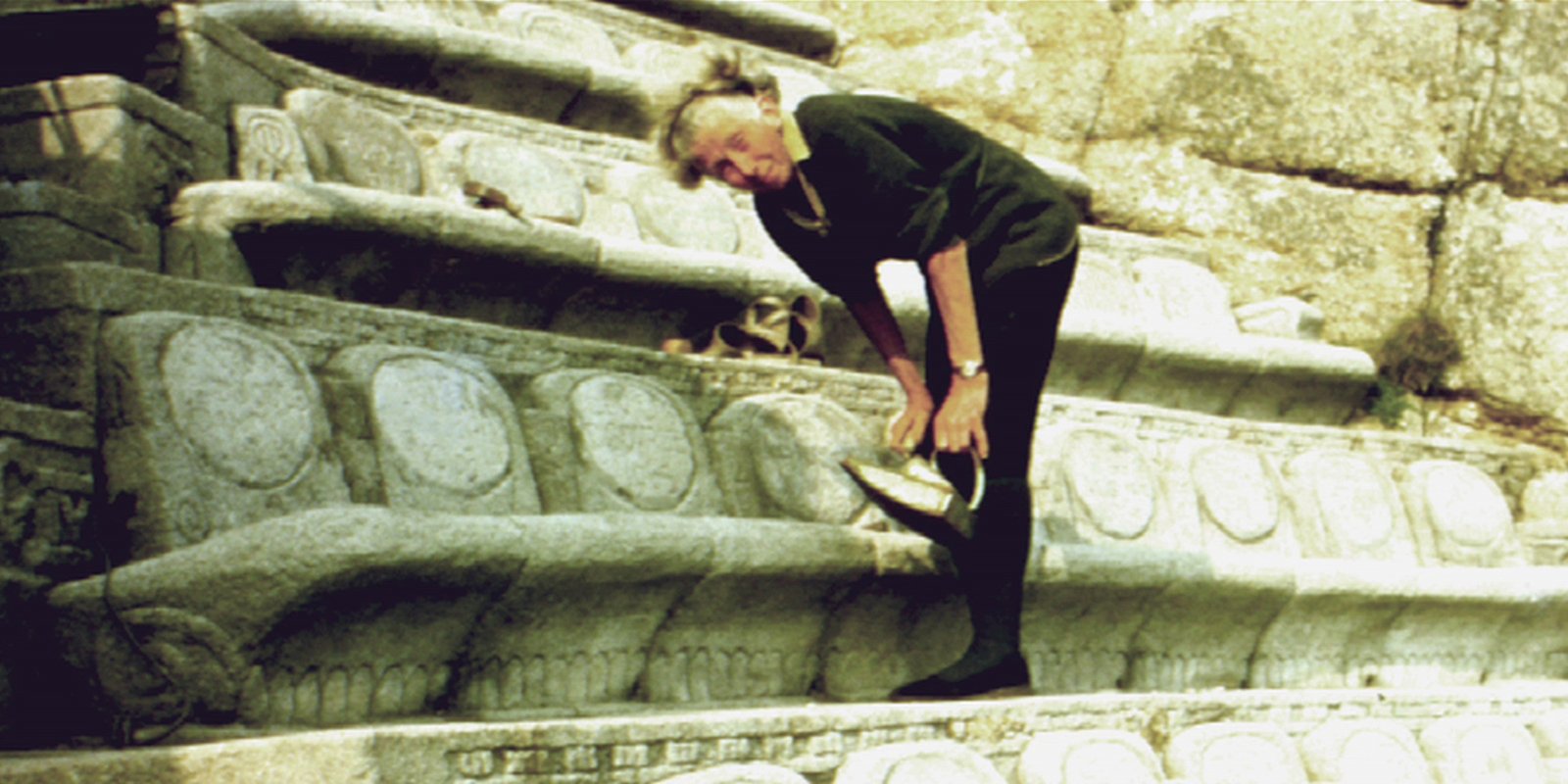
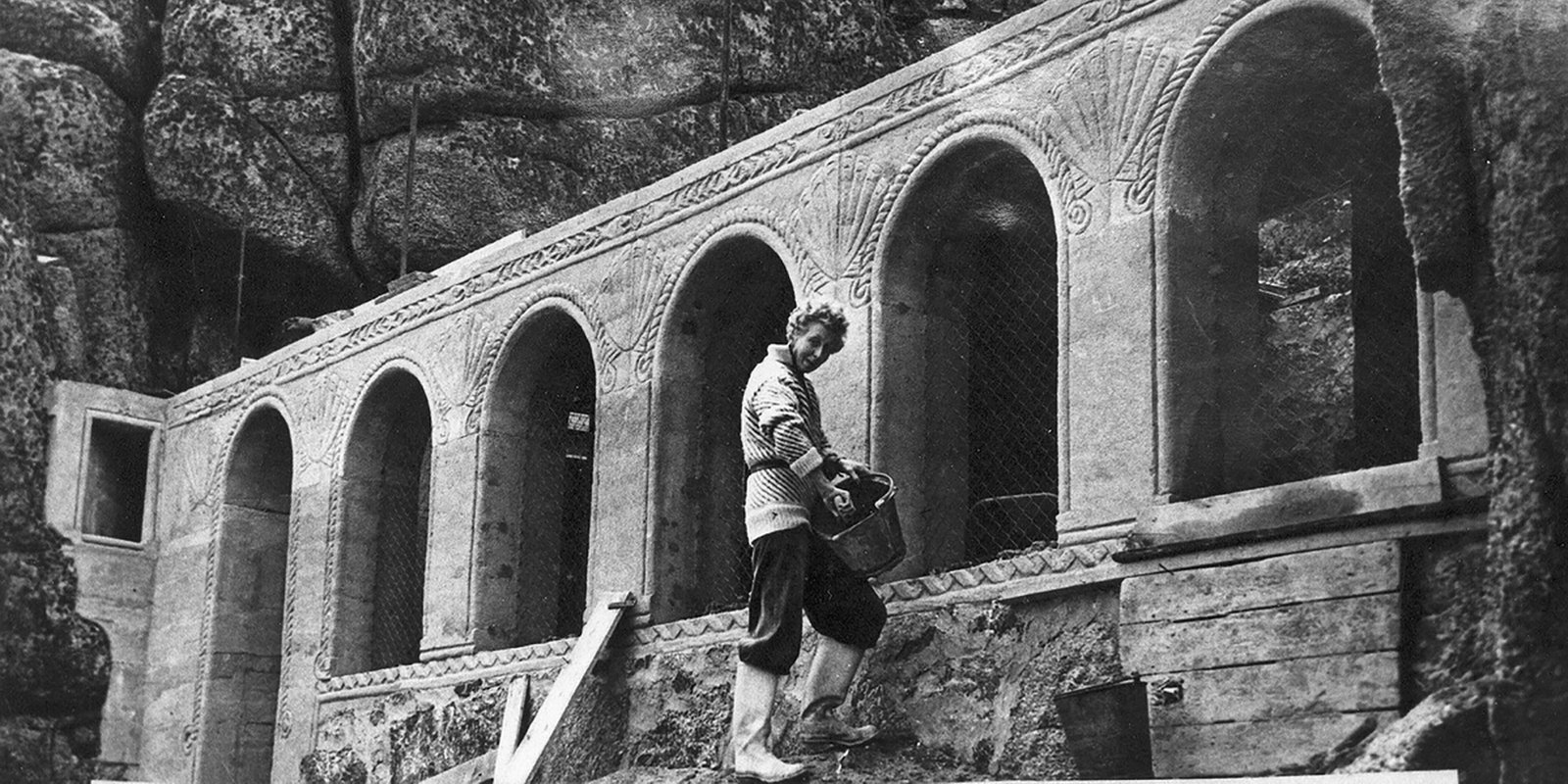
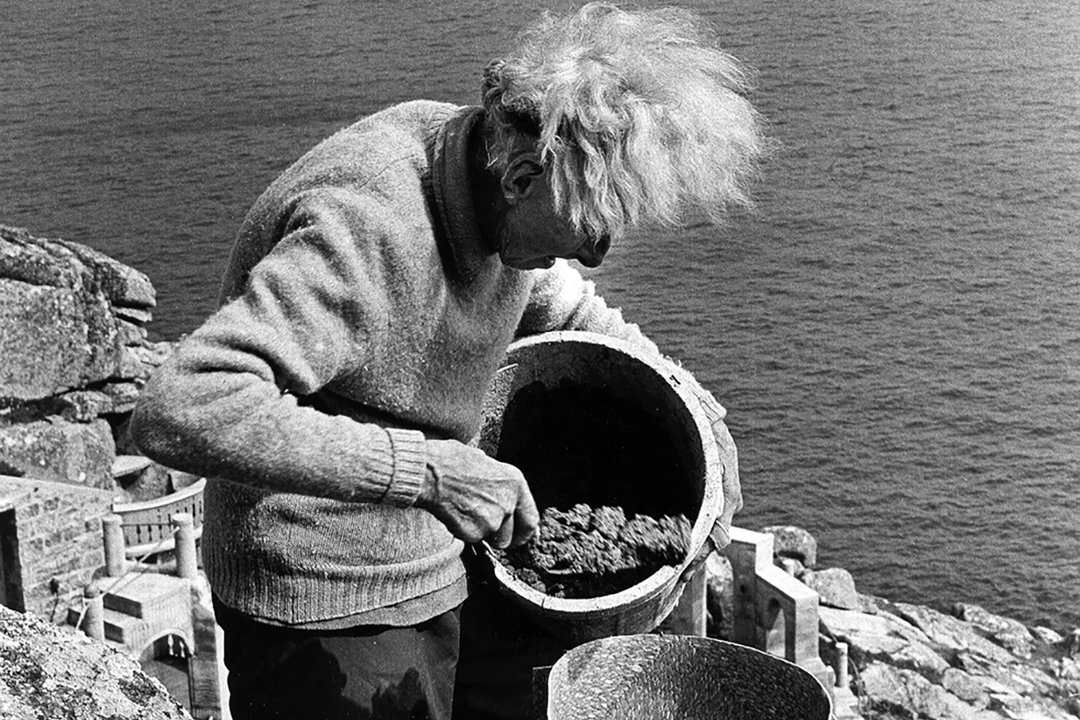
The Minack wasn’t built using diggers and heavy machinery. Rowena and her helpers worked with hand tools (and the occasional stick of dynamite) to shape the theatre you see today. She described how they made the first terraces on the steep cliff-side.
"… my gardener, Billy Rawlings, [and] another Cornishman cut up [huge boulders] by hand, much as the English cut butter. A few slices fell into the [sea] as they split, followed by some good dialect expressions of regret; most were handled into position inch by inch with bars, on the slippery slope where a careless step would have meant a ninety foot fall into the churning sea. I filled in behind them with earth and small stones."
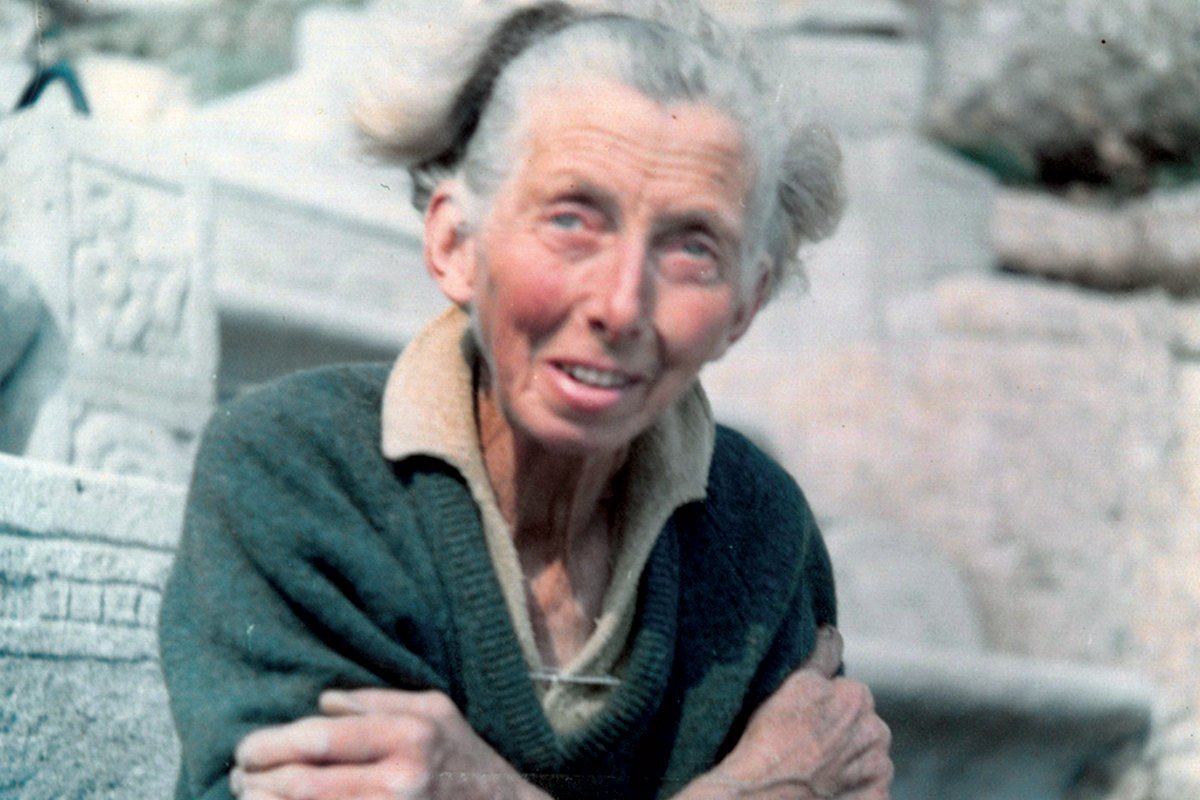
Building the Minack took Rowena the rest of her life. Most of the structures were made from concrete mixed with sand from the beach, which she herself carried up the cliff in sacks.
Etched in stone
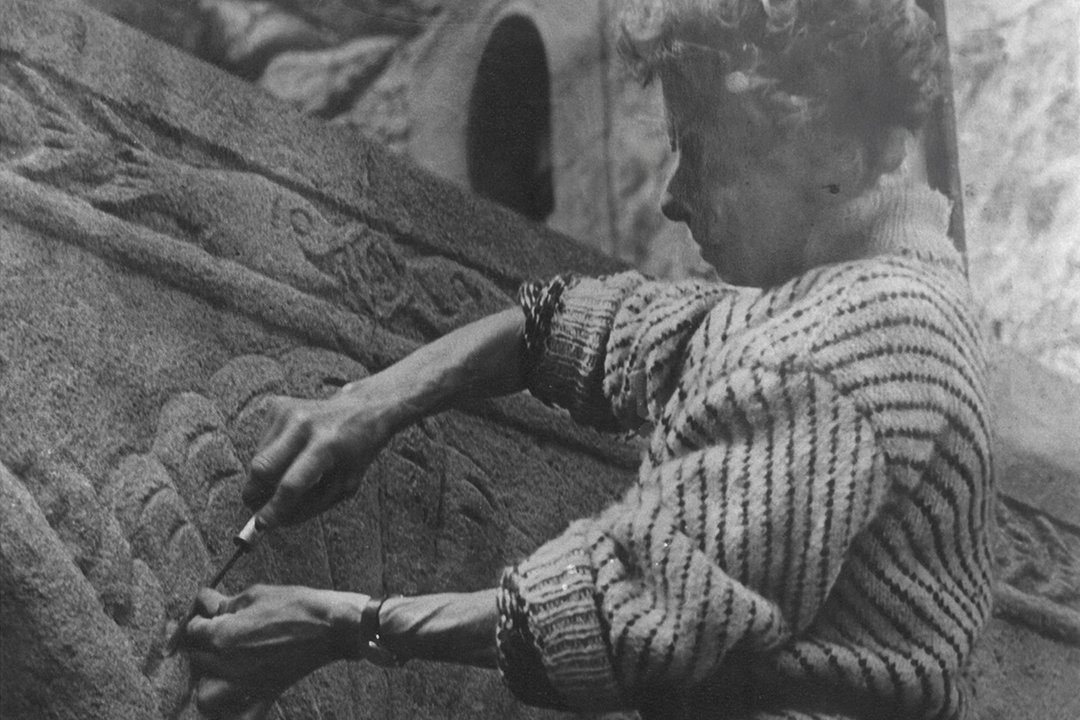
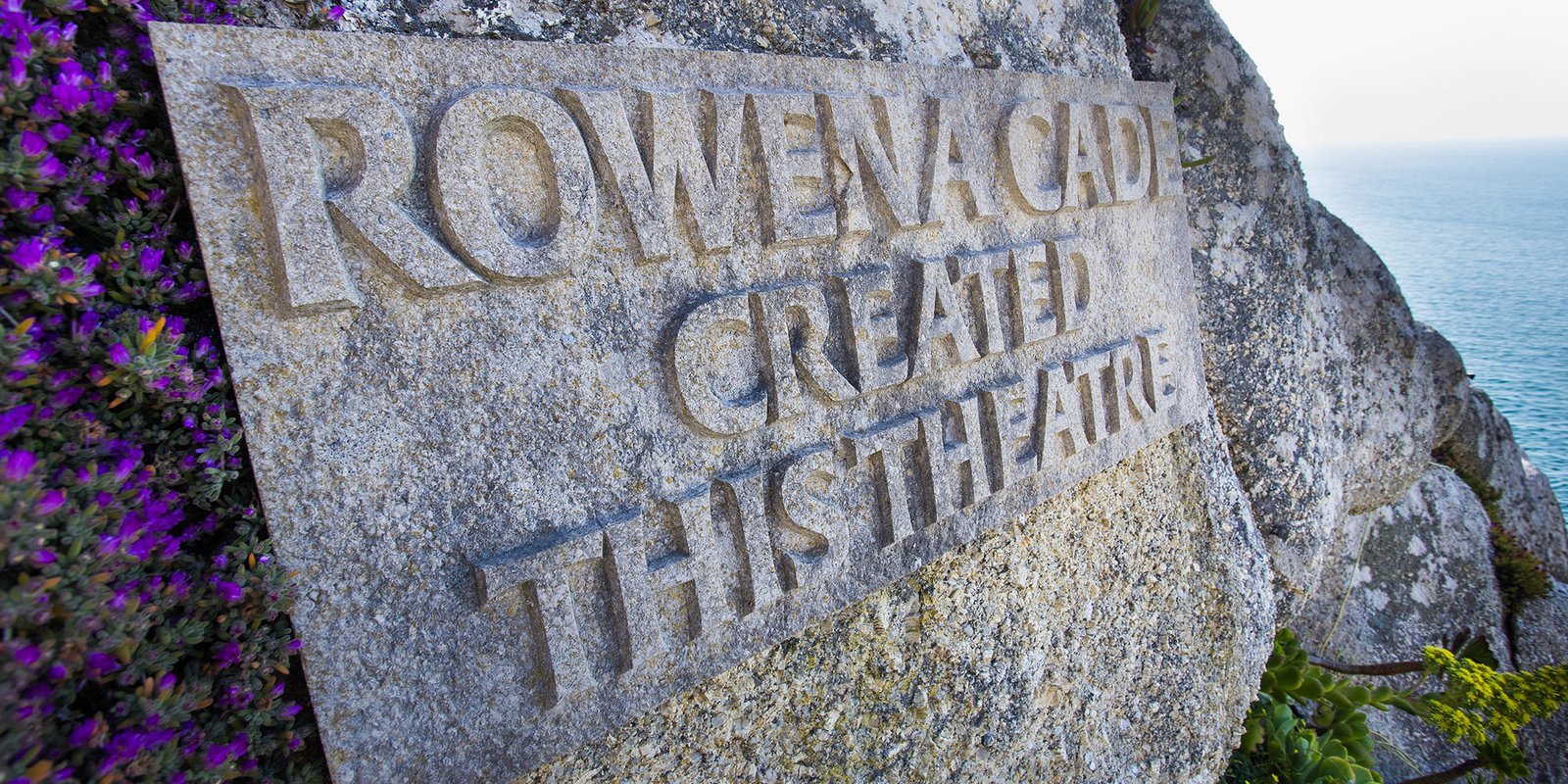
Rowena was an artist as well as a builder. Throughout the theatre she etched complex designs into wet concrete with an old screwdriver. Many of the seats bear the names and dates of plays performed here. Rowena continued working on her theatre well into her eighties. She died in 1983, shortly before her ninetieth birthday. A granite plaque half-way down the theatre marks her achievement, but her true memorial is in every stone and every vista.
"…all who go there should look around and remember the extraordinary woman who almost single-handedly fashioned this marvel from the cliff-face." (Philip Johnston, The Telegraph, 2013)
To find out more about her extraordinary life, visit the Rowena Cade exhibition in the theatre.